Framework Transfers in Action: Regional Forecasters Linking with Live Game Evaluation Centers
Ellis Baumann · Nov 5, 2026
Framework Transfers in Action: Regional Forecasters Linking with Live Game Evaluation Centers
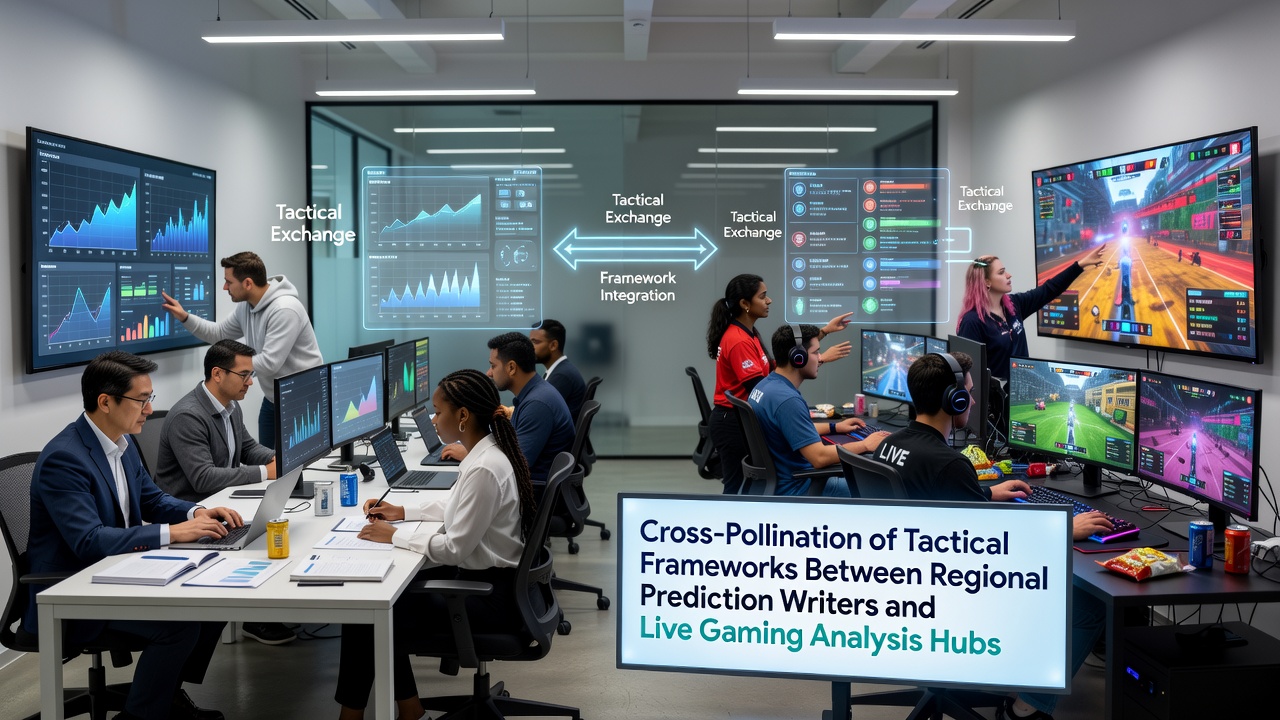
Regional prediction writers and live gaming analysis hubs have developed overlapping approaches to data interpretation and real-time adjustment strategies over recent years, with exchanges occurring through shared digital platforms and joint research initiatives. Data from industry reports indicate that these groups exchange models for momentum tracking and risk assessment, particularly in sports and esports coverage, while November 2026 saw increased activity in cross-border webinars and collaborative databases that track emerging patterns in wager modeling.
Shared Data Structures Emerging Across Regions
Analysts in North America and Europe have adopted similar segmentation techniques for live event data, drawing from regional betting volumes reported by state regulators and national gaming bodies. The American Gaming Association documented steady integration of pace-based metrics into live dashboards, whereas Australian research institutions highlighted parallel developments in multi-variable forecasting that combine historical performance with current in-game variables. Observers note that these alignments allow prediction writers in one area to apply frameworks refined by hubs operating in different time zones, creating unified toolkits for handling volatility in match outcomes.
Studies from university-affiliated gaming research centers reveal that live analysis platforms increasingly incorporate modular code libraries originally developed by regional forecasters for niche sports, enabling rapid updates during tournaments. This transfer process accelerates when both sides reference common datasets on player fatigue and environmental factors, reducing duplication in model calibration efforts.
Case Examples of Tactical Model Exchanges
One documented instance involves Midwest-based prediction networks supplying adjustment algorithms to European live hubs covering soccer leagues, where the frameworks helped refine real-time probability shifts during extended matches. Researchers at Canadian academic programs tracked how these shared elements improved accuracy metrics by incorporating localized weather and travel data into broader models. Another exchange occurred when Asian gaming analysis outlets contributed variance calculation methods to North American platforms focused on basketball, resulting in updated interfaces that flag correlated prop bet opportunities.

Figures released by the European Gaming and Betting Association in late 2026 show participation in joint working groups rising by double digits, with emphasis on standardizing input formats for live feeds. Those who participate in these groups report streamlined processes for testing new variables, such as crowd noise impact or referee tendencies, across multiple platforms.
Platform Tools Facilitating Ongoing Collaboration
Digital repositories maintained by industry consortia now host version-controlled repositories of tactical scripts, allowing contributors from different regions to fork and adapt code without starting from scratch. Live hubs gain access to granular regional datasets through these channels, while prediction writers receive feedback loops from high-volume event coverage that tests their assumptions under pressure. This setup supports iterative improvements in areas like sentiment analysis drawn from social media streams tied to specific matches.
Evidence from collaborative projects indicates that such integrations have led to more consistent handling of edge cases, including overtime scenarios and penalty shootouts, where historical patterns intersect with live conditions. Regulators in multiple jurisdictions have begun referencing these shared methodologies when evaluating platform compliance standards, though direct policy impacts remain under review.
Future Trajectories in Cross-Network Integration
Projections based on current adoption rates suggest continued expansion of these exchanges into additional verticals like virtual sports simulations and fantasy contest overlays. Academic papers published through international gaming studies networks emphasize the role of standardized APIs in lowering barriers to entry for smaller regional writers seeking to contribute specialized insights. Data compiled through 2026 demonstrates measurable gains in model robustness when inputs span multiple geographic sources rather than remaining siloed.
Conclusion
Exchanges between regional prediction writers and live gaming analysis hubs continue to shape methodological standards across the sector, supported by growing repositories of shared code and data protocols. November 2026 records reflect sustained participation in these networks, with measurable effects on how real-time adjustments are calculated and disseminated. Ongoing documentation from regulatory and research entities provides the foundation for tracking further developments in this area.